Medusa Snake Goddess Line Art SVG: Graphics & Illustrations Review
As a graphic designer who’s built brand identities for handmade businesses, launched seasonal collections for Etsy sellers, and developed packaging for indie apothecaries, I recently evaluated the Medusa Snake Goddess Line Art SVG for a real client project: a limited-edition tarot-inspired candle line with mythological motifs. My goal wasn’t just to see if it “looks cool”—it was to determine whether this asset delivers functional, professional-grade value across print, digital, and physical product applications.
A First Impression That Sets the Tone
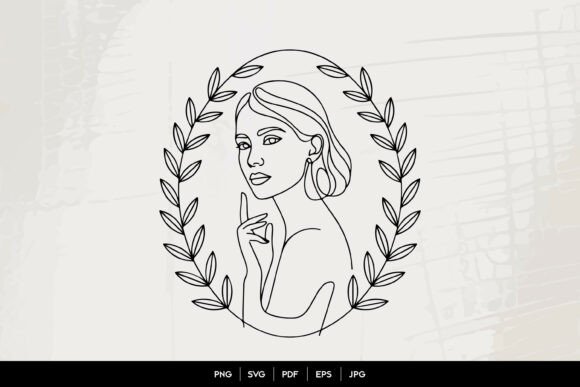
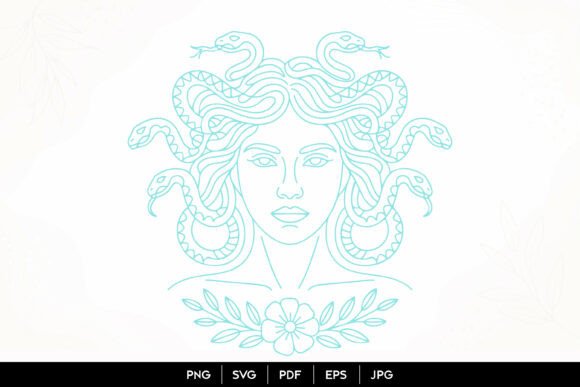
The Medusa Snake Goddess Line Art SVG lands with quiet intensity—not loud or chaotic, but deeply intentional. It’s a refined line art interpretation: elegant curvature in the serpents’ coils, balanced negative space around the face, and rhythmic linework that feels both ancient and contemporary. This isn’t cartoonish clipart or over-rendered fantasy art—it’s a graphic design asset rooted in clarity and symbolic weight. The mood is mystical yet grounded, empowering without aggression—ideal for brands leaning into feminine archetypes, spiritual wellness, or artisanal storytelling.
Where It Shines in Real Client Work
In our candle line project, the Medusa Snake Goddess Line Art SVG became the anchor for multiple touchpoints:
- Packaging design: Used at 30% scale on matte black jar labels—crisp, legible, and evocative without overwhelming the typography.
- Social media graphics: Scaled up as a hero element in Instagram carousels and Pinterest pins; its strong silhouette ensured instant recognition even as a thumbnail.
- Printable design: Integrated into downloadable ritual guides and affirmation cards—the clean vector lines held up perfectly when printed on textured paper.
- Cricut project & sublimation design: Cut flawlessly from vinyl and transferred cleanly onto ceramic mugs and linen tote bags—no jagged edges or stray anchor points.
- Brand identity: Paired with a serif font (Cormorant Garamond) for luxury positioning, and with a bold sans serif (Montserrat Black) for modern contrast—both worked because the illustration’s line weight and rhythm supported typographic hierarchy rather than competing with it.
It also performed exceptionally well in editorial design—as a decorative divider in a digital zine—and as a subtle watermark across website graphics. Its versatility across product mockups, sticker design, and t-shirt design confirms its strength as a commercial design staple.
Where to Use It Thoughtfully
This isn’t a one-size-fits-all SVG design. Its expressive nature demands context. Avoid dropping it into:
- Minimalist branding systems where restraint and neutrality are core values—it introduces too much narrative weight.
- Small-scale applications under 18px height without testing first: fine snake details can blur or vanish in tiny PNG exports.
- Crowded layouts with dense text or competing illustrations—it needs breathing room to land emotionally.
- Low-contrast backgrounds (e.g., light gray on off-white): always preview the included PNG transparency and test contrast ratios for accessibility.
- Corporate or financial branding: its mythological resonance may misalign with audiences expecting pure professionalism over poetic symbolism.
Designer Notes You Can’t Skip
Before clearing the Medusa Snake Goddess Line Art SVG for client use, I ran these checks:
- Test in black and white—confirmed no unintended halftones or thin strokes that disappear when converted.
- Preview on light/dark backgrounds using both the SVG and PNG files—verified clean transparency and consistent stroke integrity.
- Scale it down to 24px and up to 2400px—no distortion in the EPS or SVG; JPG export showed minor aliasing at small sizes, reinforcing reliance on vector formats for flexibility.
- Place it on real product mockups—especially curved surfaces like mugs and jars—to assess how the composition flows with physical form.
- Run a print test on uncoated stock—confirmed sharp edges and no ink bleed in fine-line areas.
- Inspect editability: opened the SVG in Illustrator—clean layers, grouped logically, no embedded raster elements. Easy to recolor, resize, or isolate individual snakes for custom variations.
- Font pairing tests: worked beautifully with serif, sans serif, and script fonts—but clashed with overly ornate display fonts. Its elegance thrives with intention, not excess.
- Licensing verification: confirmed the commercial license covers client deliverables, resale on print-on-demand platforms, and inclusion in Canva templates—critical for digital sellers and content creators.
Why It Fits Today’s Creative Marketplace
The Medusa Snake Goddess Line Art SVG answers a real need in the creative marketplace: high-intent, culturally resonant illustrations that feel bespoke but ship with production-ready graphics. It bridges handmade business authenticity with scalable design execution—whether you’re building an Etsy product line, launching a print-on-demand collection, or crafting marketing visuals for a boutique wellness brand. Unlike generic clipart, it carries emotional intelligence; unlike custom illustration, it offers immediate implementation without budget or timeline overhead.
For designers juggling tight deadlines and diverse clients—from Cricut crafters needing precise cut files to publishers sourcing editorial design assets—it’s a rare design bundle that balances aesthetic depth with technical reliability. And for small business branding? It adds symbolic distinction without sacrificing polish—a quiet differentiator in crowded digital spaces.
Final Verdict: A Strategic Creative Asset
The Medusa Snake Goddess Line Art SVG isn’t just another digital product. It’s a considered creative design tool—structured for flexibility, layered with meaning, and engineered for real-world performance. When aligned with the right project vision, it elevates visual hierarchy, deepens audience engagement, and strengthens brand consistency through evocative, timeless symbolism. Just remember: great design assets don’t work in isolation. They earn their place by serving the story—not the other way around.