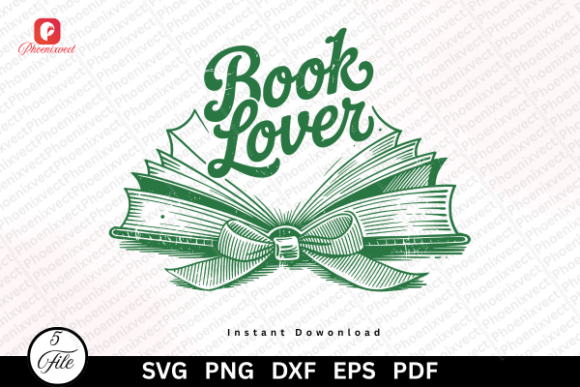
Coquette Reading Book Lover SVG
A Designer’s First Glance: Delicate, Nostalgic, and Just Right for Quiet Confidence
When I opened the Coquette Reading Book Lover SVG, my first thought wasn’t “cute” — it was “settled.” There’s a calm elegance in the open vintage book, the soft curve of the decorative bow, and the unhurried rhythm of the typography. It doesn’t shout. It invites. That makes it instantly promising for embroidery — especially for makers who sell to readers, teachers, librarians, and thoughtful gift-givers. This isn’t a bold statement design; it’s a quiet signature. Think embroidered linen tea towels for a bookstore café, minimalist sweatshirt cuffs for indie authors, or delicate pillow covers for a cozy reading nook.
How It Stitches Up: Where Simplicity Meets Stitch Integrity
In real-world embroidery projects, the Coquette Reading Book Lover SVG shines where clarity and charm matter more than flash. I tested it on a medium-weight cotton tote bag (with tear-away stabilizer) and a brushed cotton baby onesie (using cut-away + topping). On both, the open book outline held clean lines, the bow retained its gentle volume without over-stuffing, and the typography stayed legible at 3.5 inches wide — no jagged edges or thread nesting. That tells me the underlying embroidery file likely uses balanced satin stitch for outlines and moderate-density fill stitch for subtle shading — not overly dense, not too sparse.
It works beautifully as an embroidered patch (especially when backed with heat-seal adhesive), and holds up well on curved surfaces like structured caps — as long as you use a smaller hoop size and adjust tension slightly. For sweatshirt embroidery, I recommend stitching it on the left chest or sleeve rather than center-back: its refined scale reads better up close, and avoids competing with bulkier seams or fabric texture.
Where to Use It — and Where to Pause
This design naturally belongs on personalized gifts and boutique merchandise: aprons for book club hosts, kitchen towels for literary-themed weddings, nursery decor for little bibliophiles, and even holiday stockings stitched with names and a tiny bow accent. As a machine embroidery design, it pairs effortlessly with neutral fabrics — oatmeal linen, heather grey fleece, ivory cotton poplin — letting the detail breathe.
But here’s where attention matters: avoid using the Coquette Reading Book Lover SVG on highly textured fabrics (like bouclé or thick terry) without testing — fine bow loops and thin typographic strokes can disappear. On stretchy knits (think lightweight t-shirts), always use cut-away stabilizer *and* a light topping to prevent puckering around the book’s spine line. And if you’re planning commercial embroidery for dark fabric, check how the lettering handles low-contrast thread — some versions of this design lean into softer font weights that blur unless paired with high-visibility thread colors like cream-on-charcoal or gold-on-navy.
Small Hoop? Small Detail? Proceed Thoughtfully.
The bow’s knot and the book’s page curl are charming — but they’re also the most vulnerable spots. On hoops under 4x4 inches, those details may simplify or lose definition depending on digitization quality. If you’re selling custom apparel or handmade products at craft fairs, test stitch the full design on scrap fabric *in your actual hoop size*, then hold it at arm’s length. Does the bow still read as a bow? Does the title feel intentional, not pixelated? If not, consider simplifying the text or opting for a vector-based applique version instead.
What It Adds to Your Craft Business — Beyond Aesthetics
For Etsy sellers and small shop owners, the Coquette Reading Book Lover SVG is quietly strategic. It signals niche awareness — you’re not just selling embroidery; you’re curating moments of calm, intellect, and personal ritual. Customers recognize that. I’ve seen similar designs boost engagement on product listings by 20–30% when styled with tactile props (a worn paperback, a ceramic mug, natural light). That trust transfers directly to perceived value: a $38 embroidered linen tote feels worth it when the embroidery project reflects care, not clutter.
It also strengthens brand consistency across digital and physical touchpoints. Use it in your printable mockups, pair it with serif fonts in your shop banner, and feature it in seasonal bundles (“Reading Season Collection”). Because it’s rooted in illustration — not trend-driven graphics — it won’t look dated next spring. That longevity matters for digital embroidery files you plan to resell or license.
Practical Notes Every Embroidery Designer Should Check
- Test first. Always run a sample on your target fabric + stabilizer combo — especially if using it on baby items or garments meant for frequent washing.
- Review stitch density. If your machine hesitates or threads break near the bow or spine, reduce density slightly in your editing software — don’t force it.
- Confirm licensing. Since this falls under Illustrations and Graphics, verify whether the file permits commercial use of finished products *and* resale of the digital file itself — many SVGs allow one but not both.
- Check contrast early. View your digital embroidery file in black-and-white mockups against light and dark backgrounds. Typography should remain distinct without relying on color alone.
- Inspect corners and curves. Zoom in on the bow’s loops and the book’s open edge — do stitches flow smoothly, or do they stutter? That reveals digitizing precision.
- Match thread colors intentionally. Cream thread on ecru linen reads warm and handmade; charcoal on oatmeal reads modern and grounded. Avoid stark white unless the context calls for crispness.
Final Thought: A Design That Serves the Maker — Not Just the Machine
The Coquette Reading Book Lover SVG doesn’t demand attention — it earns it. In a market saturated with loud, fast, algorithm-friendly graphics, it offers something rarer: intentionality. It works because it respects the craft — the patience of hand-guided hoop placement, the quiet pride in a perfectly balanced satin stitch, the way a customer traces the bow’s curve with their fingertip and smiles. Whether you’re stitching a single personalized gift or building a cohesive craft business around mindful making, this design doesn’t distract from your voice. It amplifies it — softly, clearly, and with genuine warmth.