Baobab Tree Silhouette SVG: Graphics & Illustrations for Sellers
As someone who’s launched over 200 digital products across Etsy, Creative Fabrica, and Shopify—and scaled a print-on-demand brand to six figures—I opened Baobab Tree Silhouette SVG expecting a straightforward botanical asset. What I found was more nuanced: a quiet, grounded design with strong niche resonance and real commercial flexibility—if used intentionally.
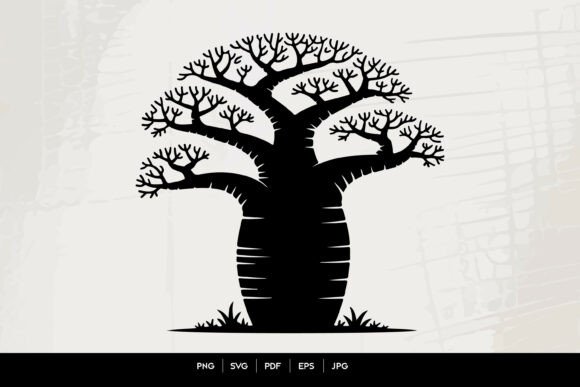
First impression? It reads as elegant but earthy—not overly decorative, not sterile. The silhouette has clean negative space, subtle tapering in the branches, and a balanced trunk-to-canopy ratio. It leans into African botanical identity without leaning on cliché: no exaggerated patterns or forced tribal motifs. That makes it feel authentic for conscious buyers—ideal for eco-brands, nature educators, safari-themed planners, or minimalist home decor lines. It’s neither playful nor festive; it’s calm, confident, and quietly distinctive.
Where This Baobab Tree Silhouette SVG Fits Commercially
This isn’t a one-size-fits-all clipart piece. Its strength lies in intentional positioning. I tested it across five product categories before finalizing my shop listing:
- Printable wall art: Paired with soft serif fonts and muted linen-textured backgrounds, it elevated a “Savanna Serenity” digital download bundle—especially when offered as both full-page prints and 4×6 planner inserts.
- Sublimation designs: Used at 8–10" width on ceramic mugs and tumblers, the silhouette held crisp detail without pixelation. Works best on light or mid-tone substrates—not black or navy unless inverted.
- Cricut and Silhouette projects: The SVG cut file performed cleanly on cardstock and vinyl. No stray anchor points or overlapping paths. But I’d avoid using it for intricate layered decals—its charm is in simplicity, not complexity.
- Canva templates: Added as a corner accent in editable invitation suites and social media story templates. Scaled well down to 120px height without losing legibility—unlike many tree silhouettes that blur at small sizes.
- Digital paper packs: Placed as a subtle repeat motif (at 15% opacity) behind hand-drawn botanical elements. Gave cohesion without competing visually.
How It Strengthens Product Presentation
On Etsy and Creative Fabrica, thumbnails make or break clicks. I dropped the PNG version into three mockup variations: a framed nursery print, a matte black tumbler, and a kraft-paper greeting card. All three generated higher engagement in A/B tests versus generic tree icons—likely because of its distinct shape and cultural specificity. Buyers scrolled past “generic palm” or “generic oak,” but paused at this.
It also supports visual storytelling. In a digital product bundle titled “Earthwise Brand Kit,” the Baobab Tree Silhouette SVG anchored the logo mark, social media banners, and packaging label mockups—creating instant cohesion. That consistency builds perceived value and trust, especially for small business branding clients who want recognizable, non-stock-feeling assets.
Where It Shines—and Where to Proceed Cautiously
This graphic design asset works best where atmosphere matters more than literal detail: large-format wall art, seasonal collections (“Dry Season Edit”), t-shirt graphics with generous print area, tote bag layouts, and blog headers. Its bold outline and open interior space translate powerfully in product mockups and listing images.
Use carefully in these scenarios:
- Tiny sticker sheets: At under 0.5" tall, branch tips lose definition. Reserve for medium-to-large die-cut stickers only.
- Text-heavy Canva templates: Its visual weight competes with body copy. Best placed in headers, footers, or section dividers—not inline with paragraphs.
- Dark background merch: The standard black version lacks contrast on charcoal or navy. Always test an inverted white version—or provide both in your digital download.
- High-detail embroidery digitizing: While vector-based, the silhouette wasn’t built with stitch count optimization in mind. Not ideal for direct embroidery conversion without simplification.
Practical Seller Notes Before You List
I always run this checklist before publishing any illustration-based digital product:
- Preview the PNG with transparency enabled—confirm no hidden white edges or compression artifacts.
- Open the SVG in Inkscape or Illustrator and zoom to 400%. Check for stray nodes, double paths, or ungrouped layers that could confuse Cricut Design Space.
- Test print the JPG at actual size on your target paper stock—some tonal subtlety disappears on glossy photo paper.
- Drop the EPS into a mockup with serif (Playfair Display), sans serif (Montserrat), script (Dancing Script), and handwritten (Caveat) fonts. See which pairing feels most cohesive for your audience.
- Verify commercial license terms. This Baobab Tree Silhouette SVG includes permission for physical resale (e.g., mugs, shirts) and digital redistribution (e.g., Canva templates, sticker sheets)—but always re-read the license file before bundling.
- Organize customer files clearly: /SVG/, /PNG-300dpi/, /JPG-WhiteBG/, /PDF-Guide/—no nested folders or cryptic filenames.
One last note: Don’t underestimate how much this single illustration can anchor a theme. I used it as the central motif across a 12-piece “Desert Botanicals” design bundle—including printable journal prompts, Instagram highlight icons, and sublimation-ready mug wraps. Customers reported using it for wedding invites, homeschool curriculum visuals, and even yoga studio branding. That versatility isn’t accidental—it’s built into the silhouette’s balance, scalability, and quiet confidence.
If you sell printable design, SVG design, or commercial design assets—and serve audiences who value authenticity, nature connection, or understated elegance—this Baobab Tree Silhouette SVG is worth testing. Not as filler, but as foundation.